
Answer the Call to Maritime Service
The maritime industry offers countless ways to serve something larger than yourself. Whether operating ships at sea, building the vessels of tomorrow, supporting global commerce, protecting our nation, or developing new technologies, maritime careers help keep America moving.
From skilled trades and engineering to logistics, leadership, and military service, there is a place for everyone in America's maritime future.
Why Maritime Careers Matter
The maritime industry powers global trade, national security, transportation, energy, recreation, and innovation. Every day, maritime professionals move the world, protect our freedoms, and build the infrastructure that connects communities across the globe.
Whether you choose a career at sea or on shore, your work can make a difference.
Explore Sea and Land Based Careers ➔
Explore Education & Training ➔
Explore Internships & Apprenticeships ➔
Explore Mentorship & Networking ➔
Education & Training
Trades & Technical Pathways
Learn by Doing. Trades and technical careers are built on hands-on skills, practical experience, and problem-solving. These pathways prepare individuals to build, maintain, operate, and support the ships, ports, infrastructure, and systems that keep America moving.
Whether through apprenticeships, technical schools, military service, certifications, or workforce training programs, trades and technical pathways offer opportunities to develop in-demand skills, earn competitive wages, and build a rewarding career. Many professionals begin in technical roles and advance into leadership, management, engineering, and business positions throughout their careers.
Apprenticeships
Earn a paycheck while you learn the trade.
🎓 No degree needed
⏱ Months to 1 year, often paid from day one
Apprenticeships combine on-the-job training with classroom instruction, and many maritime programs are free or paid from day one. Browse all federally registered programs through Apprenticeship.gov, or go straight to a maritime-specific route through the Seafarers International Union, NASSCO, or MITAGS. For shipyard trades, NAVSEA's apprenticeship program and the Seattle Maritime Academy are strong starting points.
Trade Schools & Technical Programs
Fast, focused training for in-demand skills.
🎓 No degree needed
⏱ Weeks to 2 years
Trade schools get you job-ready faster than a four-year degree. In Los Angeles, LA Trade-Tech College's Welding program is the closest local option. On the West Coast, Portland Community College's Maritime Welding pathway leads to ABS, AWS, and NAVSEA certifications. In the Gulf, South Louisiana Community College's Maritime Structural Fitter program runs just 12 weeks, and Mississippi Gulf Coast Community College and the Alabama Maritime Training Center both train shipfitters and welders at no cost to the student.
Industry Certifications
Credentials that open doors across the maritime industry.
🎓 No degree needed
⏱ Days to a few weeks per credential
Your TWIC Card comes through TSA, while your Merchant Mariner Credential and STCW endorsement come through the U.S. Coast Guard National Maritime Center. Safety certifications are available through OSHA Training, trade certifications through NCCER, and welding-specific credentials through the American Welding Society.
Military Training
Serve your country and build technical, leadership skills that transfer directly to civilian careers.
🎓 No degree needed (enlisted) — or earn a degree alongside your commission (ROTC) ⏱ 8–10 weeks boot camp (enlisted), or 4 years alongside college (ROTC)
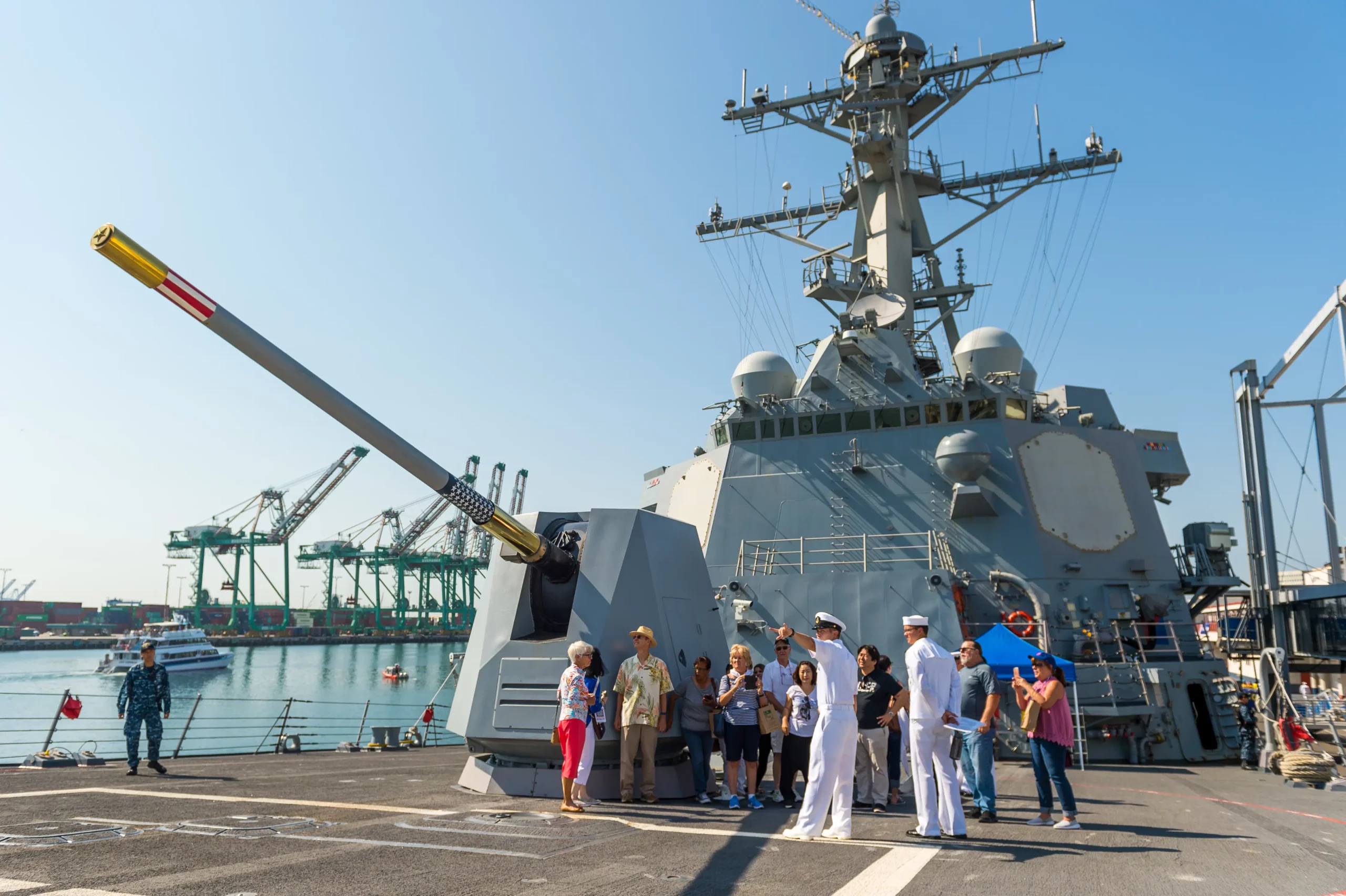
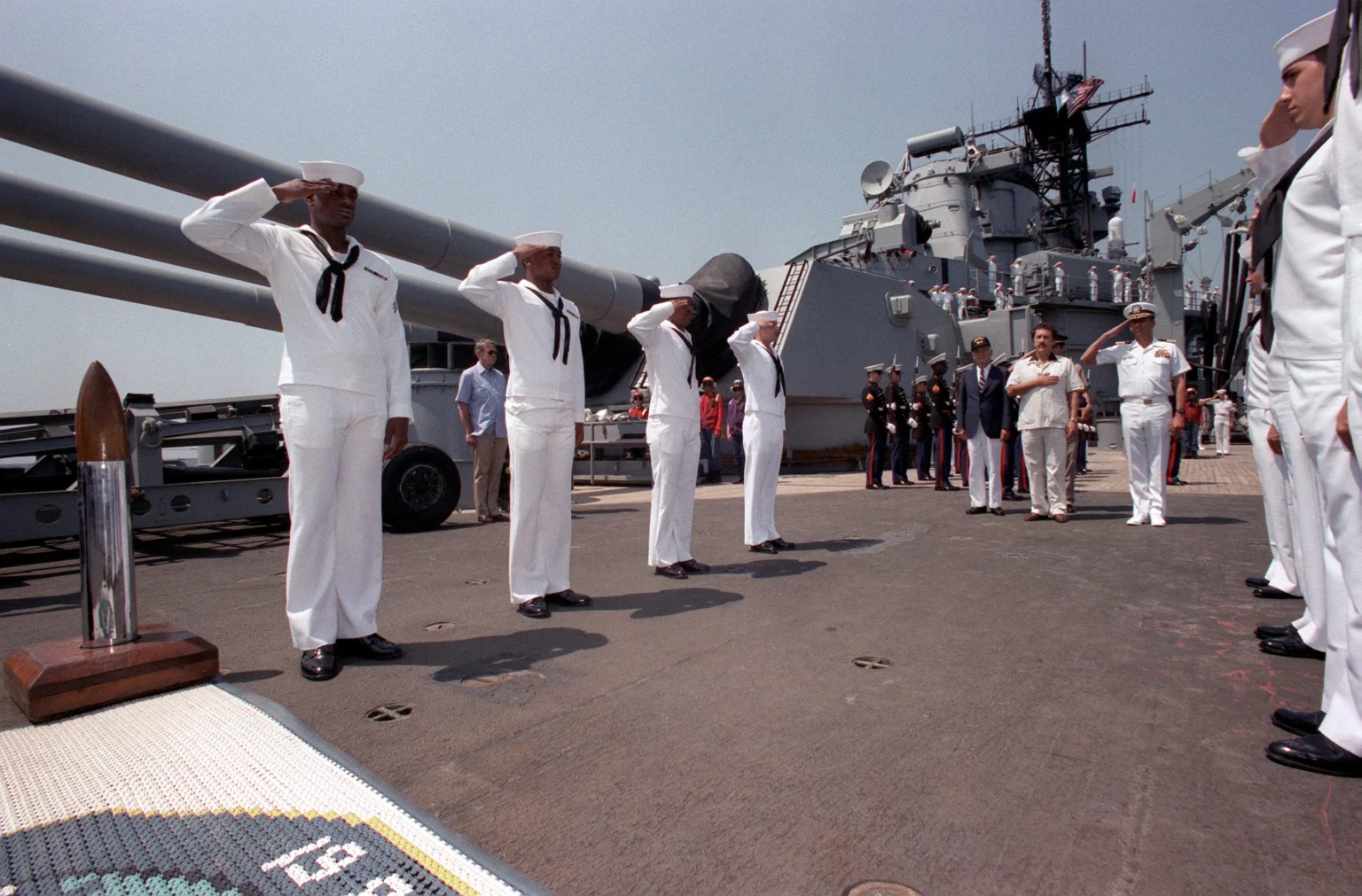
Start at Navy.com or Go Coast Guard for active-duty enlisted service, or explore civilian seagoing work through Sealift Command. If college is part of your plan, Navy ROTC lets you earn your degree at a host university while training to become a commissioned officer — often on a full scholarship. If you'd rather serve part-time, the Navy Reserve is an option, and aspiring ocean scientists should look at the NOAA Corps, a uniformed officer track.
Workforce Development Programs
A bridge into the industry if you're not sure where to start.
🎓 No degree needed
⏱ Weeks to a few months
If you're not sure where to begin, CareerOneStop and your nearest American Job Center can point you toward local programs. Job Corps and YouthBuild offer free training and support for young adults, and MARAD's Maritime Workforce Development program connects directly to maritime-specific pathways.
Universities
A four-year foundation for engineering, business, and leadership roles.
🎓 High school diploma
⏱ 4 years (bachelor's degree)
In Southern California, CSU Long Beach, USC, and UCLA all offer relevant degree paths. Nationally, Texas A&M, Old Dominion University, the University of Washington, and Massachusetts Maritime Academy's degree programs are well-regarded options.
Maritime Academies
Train to become a licensed officer at sea or ashore.
🎓 High school diploma ⏱ 4 years (bachelor's degree + license)
California's own Cal Maritime is the closest academy to home. Other federal and state academies include SUNY Maritime College, Maine Maritime Academy, Massachusetts Maritime Academy, Texas A&M Maritime Academy, Great Lakes Maritime Academy, the U.S. Merchant Marine Academy, and the U.S. Naval Academy.
Professional Certifications
Specialized credentials that boost your qualifications and pay.
🎓 Bachelor's degree typical
⏱ Months of study, then an exam
Project managers pursue the PMP through PMI; supply chain professionals pursue the CSCP through ASCM; engineers pursue PE licensure through NCEES. Mariners renewing or upgrading credentials should return to the U.S. Coast Guard National Maritime Center and TSA's TWIC program.
Research & Advanced Education
For those who want to push the boundaries of ocean science and engineering.
🎓 Bachelor's minimum
⏱ 2–6+ years (master's or PhD)
Leading research institutions include Scripps Institution of Oceanography, Woods Hole Oceanographic Institution, the University of Washington School of Oceanography, Texas A&M Ocean Engineering, the USC Sea Grant Program, and NOAA Research.
College & Professional Pathways
College and professional pathways prepare individuals for careers requiring advanced technical knowledge, leadership, management, analysis, and innovation. These programs provide a strong foundation for long-term career growth and advancement throughout the maritime industry.
Whether designing vessels, managing supply chains, leading organizations, conducting research, or developing new technologies, these pathways help prepare the next generation of maritime leaders.
Universities
A four-year foundation for engineering, business, and leadership roles.
🎓 High school diploma
⏱ 4 years (bachelor's degree)
In Southern California, CSU Long Beach, USC, and UCLA all offer relevant degree paths. Nationally, Texas A&M, Old Dominion University, the University of Washington, and Massachusetts Maritime Academy's degree programs are well-regarded options.
Go to college for free. Through Navy ROTC, you can attend many of these same universities on a full scholarship — tuition, fees, and a monthly stipend covered — while training to become a commissioned Navy officer the day you graduate.
Maritime Academies
Train to become a licensed officer at sea or ashore.
🎓 High school diploma ⏱ 4 years (bachelor's degree + license)
California's own Cal Maritime is the closest academy to home. Other federal and state academies include SUNY Maritime College, Maine Maritime Academy, Massachusetts Maritime Academy, Texas A&M Maritime Academy, Great Lakes Maritime Academy, the U.S. Merchant Marine Academy, and the U.S. Naval Academy.
Professional Certifications
Specialized credentials that boost your qualifications and pay.
🎓 Bachelor's degree typical
⏱ Months of study, then an exam
Project managers pursue the PMP through PMI; supply chain professionals pursue the CSCP through ASCM; engineers pursue PE licensure through NCEES. Mariners renewing or upgrading credentials should return to the U.S. Coast Guard National Maritime Center and TSA's TWIC program.
Research & Advanced Education
For those who want to push the boundaries of ocean science and engineering.
🎓 Bachelor's minimum
⏱ 2–6+ years (master's or PhD)
Leading research institutions include Scripps Institution of Oceanography, Woods Hole Oceanographic Institution, the University of Washington School of Oceanography, Texas A&M Ocean Engineering, the USC Sea Grant Program, and NOAA Research.
Career Opportunities
Sea-Based Careers
Sea-based careers place professionals aboard vessels that transport cargo, support national defense, conduct scientific research, provide passenger experiences, and perform specialized maritime operations around the globe. These careers offer opportunities to travel, develop leadership and technical skills, work as part of a close-knit team, and contribute to missions that impact commerce, security, and exploration.
Whether navigating a ship across the ocean, maintaining complex engineering systems, serving passengers, or supporting military and research missions, maritime professionals play a vital role in keeping vessels safe, efficient, and mission-ready. From the bridge to the engine room, sea-based careers combine adventure, responsibility, and purpose in one of the world's most dynamic work environments.
Officers
Chart the course, lead the crew.
 Away weeks to months
  Maritime academy
PAY
Starting: $62K → 5 years: $85K → Senior: $110K
GETTING STARTED
Apply → Academy (4 yrs) → Job
HEAR FROM SOMEONE
Vice Admiral Nora Tyson, USN (Ret.)
OPPORTUNITIES
MSC Civilian Mariner
Serve without a uniform.
 Away weeks to months No degree needed
PAY
Starting: $90K → 5 years: $115K → Senior: $140K
GETTING STARTED
Apply → Credential (MMC) → Job
HEAR FROM SOMEONE
Dr. Sal Mercogliano — “What’s Going On In Shipping” Parts 1 & 2 (Scuttlebutt)
OPPORTUNITIES
Able Seaman
Earn while you learn the ropes.
Away weeks to months No degree needed
PAY
Starting: $48K → 5 years: $65K → Senior: $85K
GETTING STARTED
Apply → Train (≈1 yr, paid) → Job
HEAR FROM SOMEONE
Coming Soon
OPPORTUNITIES
Navy Sailor (Enlisted)
Defend the fleet, find your purpose.
Away weeks to months No degree needed
PAY
Starting: ~$38K → 5 years: ~$75K → Senior (Master Chief): ~$130K+
(total compensation including tax-free housing & food allowances — an E-5 with 6 years earns $4,110/month base pay alone, with total compensation often exceeding $80,000–$100,000 annually with benefits; a senior E-9 with 30+ years earns $110,100 in annual basic pay alone) Military-paychartUS Military
GETTING STARTED
Apply → Boot Camp (8 wks) → Job
HEAR FROM SOMEONE
CMDCM Octavia Harris, USN (Ret.)
OPPORTUNITIES
Coast Guard (Enlisted)
Save lives, protect the coast, secure the ports.
Away days to weeks (closer to home than Navy) No degree needed
PAY
Starting: ~$38K → 5 years: ~$75K → Senior (Master Chief): ~$130K+
(Coast Guard uses the same federal military pay scale as the Navy — an E-5 with 6 years earns $4,110/month base pay alone, with total compensation often exceeding $80,000–$100,000 annually with benefits) Military-paychart
GETTING STARTED
Apply → Boot Camp, Cape May NJ (8 wks) → Job
HEAR FROM SOMEONE
Coming soon.
OPPORTUNITIES
- Go Coast Guard — Official Recruiting Site — https://www.gocoastguard.com/
Research & Specialized Operations
Explore, survey, and discover what's beneath the surface.
🎓 Entry varies — no degree to PhD, by role
JOBS & STARTING PAY
- ROV Technician — ~$40K to start (entry-level ROV technicians typically start around $35,000–$45,000 annually).
- Hydrographic Survey Technician — ~$45K to start (entry-level surveyors typically start in the $40,000–$50,000 range).
- NOAA Corps Officer (uniformed scientific service) — ~$50K to start, federal officer pay scale.
- Marine/Research Vessel Technician — ~$40K to start, hands-on, no degree required.
- Oceanographer / Marine Scientist — ~$55K to start, bachelor's minimum, master's typical (entry-level oceanographer total compensation averages roughly $55,700).
GETTING STARTED
No single path — ranges from a few weeks of technical certification (ROV) to a 4-year degree plus fieldwork (oceanographer)
HEAR FROM SOMEONE
- CDR Victor Vescovo, USNR (Ret.)
OPPORTUNITIES
Passenger Cruises
See the world while you work.
🎓 Entry varies — no degree to hospitality experience preferred, by role.
JOBS & STARTING PAY
- Hospitality / Steward Crew — ~$26K to start, plus gratuities (part of income often comes from gratuities or service charges, especially for waiters, bartenders, and cabin stewards).
- Guest Services Officer — ~$30K to start (many hospitality and customer-service roles only require hospitality or customer service experience, not maritime certification).
- Security Officer — ~$40K to start (security officers average $48,607 per year).
- Entertainment / Activities Staff — ~$28K to start, contract-based.
- Hotel Manager (senior, oversees all hotel departments) — ~$58K to start, years of hospitality leadership experience required (hotel managers average $57,967 per year).
- Deck/Engineering Officer (technical track) — ~$60K to start, maritime academy or licensed mariner credential required (first officers average $80,683 per year, captains average $73,993).
GETTING STARTED
No single path — ranges from a hospitality interview and a 4–8 month contract (most roles) to a full maritime academy credential (deck/engineering officer track)
HEAR FROM SOMEONE
OPPORTUNITIES
Land-Based Careers
Not every maritime career takes place aboard a ship. In fact, thousands of professionals work on shore to build vessels, operate ports, manage logistics networks, protect critical infrastructure, develop new technologies, and lead organizations that keep the maritime industry moving. These land-based careers form the backbone of global commerce, national defense, and waterfront communities.
From shipyards and construction sites to ports, offices, engineering labs, and emergency operations centers, maritime professionals work together to ensure ships can be built, cargo can move efficiently, businesses can thrive, and people remain safe. Whether you enjoy working with your hands, solving technical challenges, leading teams, or developing innovative solutions, the maritime industry offers a wide range of rewarding career opportunities on land.
Port Police / Maritime Security Officer
(Defense & Public Service)
Protect the port that keeps America moving.
🏠 Home every night 🎓 Police academy, no college degree required
PAY
Starting: $80,680 → 5 years: ~$100K → Senior: $124,236+
(starting annual salary range for LA Port Police Officer is $80,680–$124,236)
GETTING STARTED
Apply → Police Academy + Field Training (~18 mo. probation) → Job
HEAR FROM SOMEONE
Stacey Creech & Aldo Morales
OPPORTUNITIES
Port & Terminal Operations
Move the cargo that moves the world.
🎓 Entry varies — union apprenticeship, no degree required for most roles.
JOBS & STARTING PAY
- Longshore Worker — ~$85K to start, full-time (during the first 0–1,000 hours, longshore workers earn the equivalent of $85,196 annually at full-time hours).
- Crane Operator — ~$85K to start (same union pay scale as longshore).
- Senior Longshore Worker (4,000+ hrs) — $150K–$200K+ (full-time registered longshore workers earned an average of $197,514 in 2022).
- Terminal Clerk — $150K–$225K range at senior levels per industry pay data.
GETTING STARTED
Apply through union hiring hall → Paid on-the-job training → Job (hours-based seniority system)
HEAR FROM SOMEONE
OPPORTUNITIES
- ILWU
Logistics & Supply Chain
Get everything, everywhere, on time.
🎓 Entry varies — some roles need no degree, others prefer a bachelor's
JOBS & STARTING PAY
- Logistics Coordinator — ~$55K to start (graduates working as logistics coordinators typically make $55,000 to $70,000).
- Supply Chain Analyst — ~$60K to start, bachelor's typical.
- Logistician — $80,880 median (median annual wage for logisticians was $80,880 in May 2024).
- Transportation/Distribution Manager — $105,580 median (BLS median for transportation/storage/distribution managers).
- Purchasing Manager — $136,380 median (BLS median for purchasing managers).
GETTING STARTED
Entry roles: experience can substitute for a degree → Most professional roles: bachelor's degree
HEAR FROM SOMEONE
[Open]
OPPORTUNITIES
Engineering & Technology
Build, design, and defend the systems that keep the fleet moving.
🎓 Bachelor's typical; some technical roles accept an associate degree or certification
JOBS & STARTING PAY
- Marine Engineer / Naval Architect — $105,670 median (median annual wage for marine engineers and naval architects was $105,670 in May 2024); lowest 10 percent earned less than $79,700, highest 10 percent earned more than $167,660.
- Cyber/Information Security Analyst — $132,510 median (per BLS national wage data)
- Naval Architect (senior/specialist) — $120K–$150K+ (naval architects pulling $120,000-$150,000+, with senior designers hitting $150,000+).
GETTING STARTED
Bachelor's degree (engineering) → Internship/junior role → Job
HEAR FROM SOMEONE
[Open]
OPPORTUNITIES
Business & Professional Services
Every ship needs people who run the business behind it.
🎓 Bachelor's typical for most professional roles
JOBS & STARTING PAY
- Human Resources Specialist — $72,910 median (median annual wage for human resources specialists was $72,910 in May 2024).
- Accountant/Auditor — $81,680 median (median annual wage for accountants and auditors was $81,680 in May 2024).
- Marketing Specialist — ~$89,490 median (per BLS national wage data).
- Human Resources Manager — $140,030 median (median annual wage for human resources managers was $140,030 in May 2024).
GETTING STARTED
Bachelor's degree → Entry role → Job
HEAR FROM SOMEONE
[Open]
OPPORTUNITIES
Marine Welder / Shipfitter
Build the ships that move the world.
🏠 Home every night 🎓 No degree needed
PAY
Starting: $42K → 5 years: $58K → Senior: $78K
GETTING STARTED
Apply → Train → Job
HEAR FROM SOMEONE
[Open — no direct welder/shipfitter episode found in the Scuttlebutt catalog yet]
OPPORTUNITIES
PROGRAM SPONSORS